How to Import Solar Lights from China (MOQ, FOB, Certificates & OEM)
China makes most of the world's solar lighting, and Shenzhen is its hub. For a distributor or importer, sourcing here is straightforward once you know the eight things every quotation hinges on.
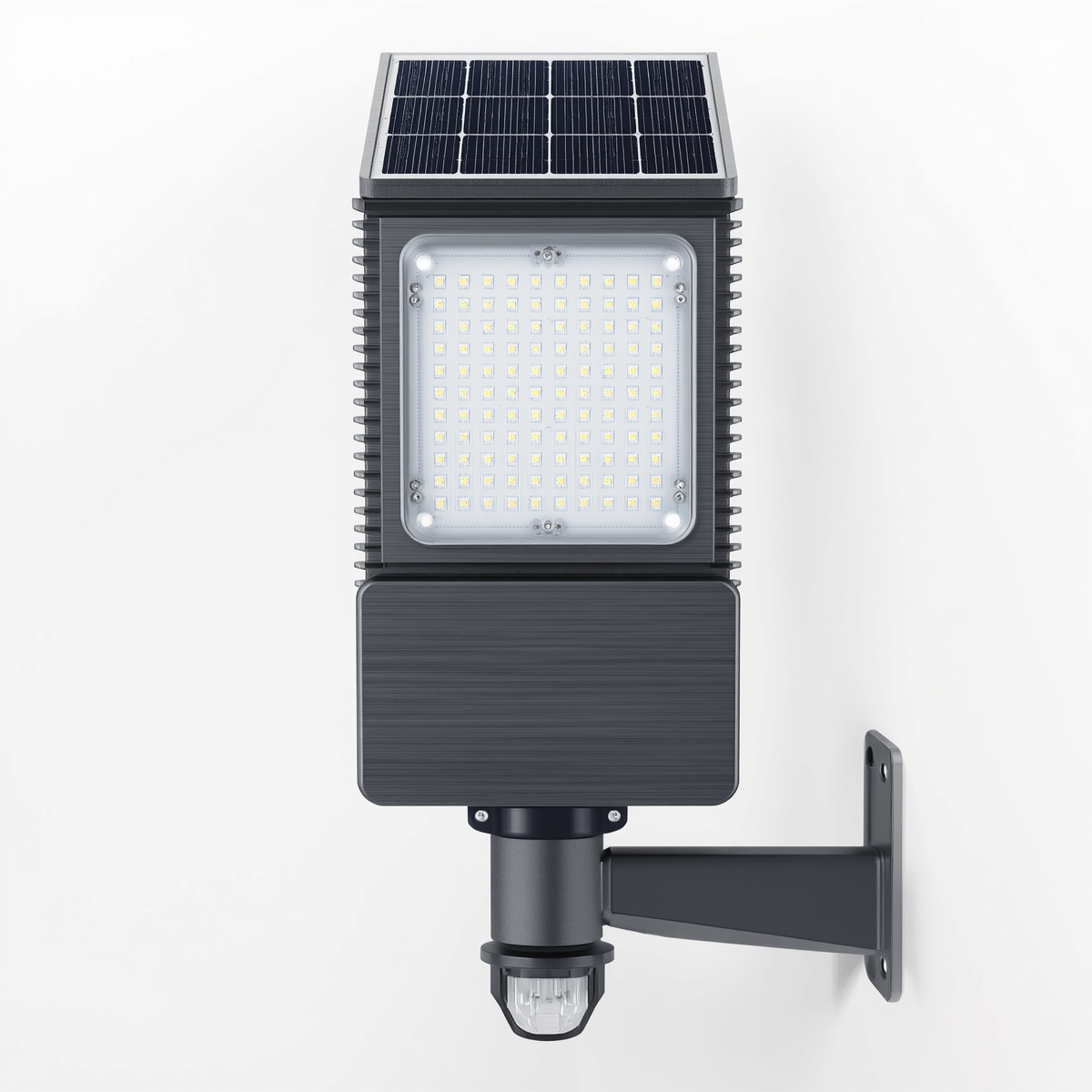
Importing solar lights from China is how most wholesalers, project contractors and retailers stock their shelves and win tenders — without a grid connection, without trenching, and at factory pricing. But "buy from China" hides a lot of detail. Get the spec, the terms and the paperwork right and the container arrives on time and clears customs cleanly. Get them wrong and you're chasing refunds across an ocean. Here's the sourcing checklist we walk every new buyer through.
1. Lock your spec before you ask for a price
The single biggest cause of disappointing orders is a vague brief. Before you request a quote, decide four things: brightness (lumens, by application), weatherproofing (IP rating — IP65 for walls, IP66+ for streets and industrial sites), battery (insist on LiFePO4, not generic lithium-ion), and sensor (PIR for security, radar for roads). A tight spec gets you accurate pricing and comparable quotes; a loose one invites a supplier to quote the cheapest cells that meet the words but not the intent.
2. Understand MOQ — and how to work with it
MOQ (Minimum Order Quantity) is set per model so the factory can run an efficient production batch. For solar lighting it commonly ranges from a few hundred units on simple SKUs to larger runs on custom builds. Two ways to make MOQ work in your favour: mix models in one container to hit the volume across your range, and ask whether a trial order is possible for a first shipment. A good supplier will help you load a balanced first container rather than forcing one SKU.
3. Get the Incoterm right: EXW, FOB or CIF
The Incoterm defines where the supplier's responsibility ends and yours begins. EXW (Ex Works) means you collect from the factory door — maximum control, maximum hassle. FOB (Free On Board, e.g. FOB Shenzhen) means the supplier delivers the goods, cleared for export, onto your vessel — the most common and balanced term for first-time importers. CIF adds sea freight and insurance to the destination port. For most buyers, FOB Shenzhen is the sweet spot: the factory handles export and loading, and you control the freight forwarder and the rate.
4. Plan for lead time
Budget realistically: sample lead time of a week or two, then production of roughly 20–35 days for a standard order (longer for OEM tooling or large volumes), plus sea transit of 20–40 days depending on destination. Place orders for peak seasons — back-to-school, year-end projects, dry-season installs — well ahead. The factory schedule, not the shipping line, is usually the long pole.
5. Insist on CE + RoHS certificates
For solar lighting sold into Africa, Latin America, Europe and Oceania, CE (safety and EMC) and RoHS (restricted hazardous substances) are the baseline. They clear customs and procurement without friction and protect you in a tender. Ask for the actual certificates and test reports with the quotation — not a verbal "yes, certified." Reputable factories provide them as a matter of course; JC Lightning attaches CE + RoHS to every quote.
6. Use OEM and private label to build your own brand
Importing from the factory is also where you stop reselling a generic product and start building your brand. OEM / ODM typically covers your logo on the product, custom retail packaging and, on larger orders, spec tuning (wattage, colour temperature, battery size). Private-label packaging in particular lifts margin and shelf appeal at little extra cost. Decide early — branding affects tooling, artwork and lead time.
7. Always approve a sample first
Never skip the sample. A pre-production sample confirms the brightness, build quality, battery runtime and finish before you commit to a container. Run it overnight, leave it in the rain, check the sensor range. The small cost and week of patience here is the cheapest insurance in the whole transaction.
8. Sort out shipping and container loading
On FOB terms you (or your forwarder) book the vessel; the factory loads the container at port. Confirm carton dimensions and loading quantity up front so you know how many units fill a 20ft or 40ft container and your landed cost per unit is accurate. For smaller first orders, LCL (less-than-container-load) consolidates your goods with others; full ranges usually justify a full container.