Why Switch to Solar Lighting?
Zero electricity bills, blackout-proof, installs in minutes, and pays for itself in 2–4 years. Five reasons the catalogue is going solar.
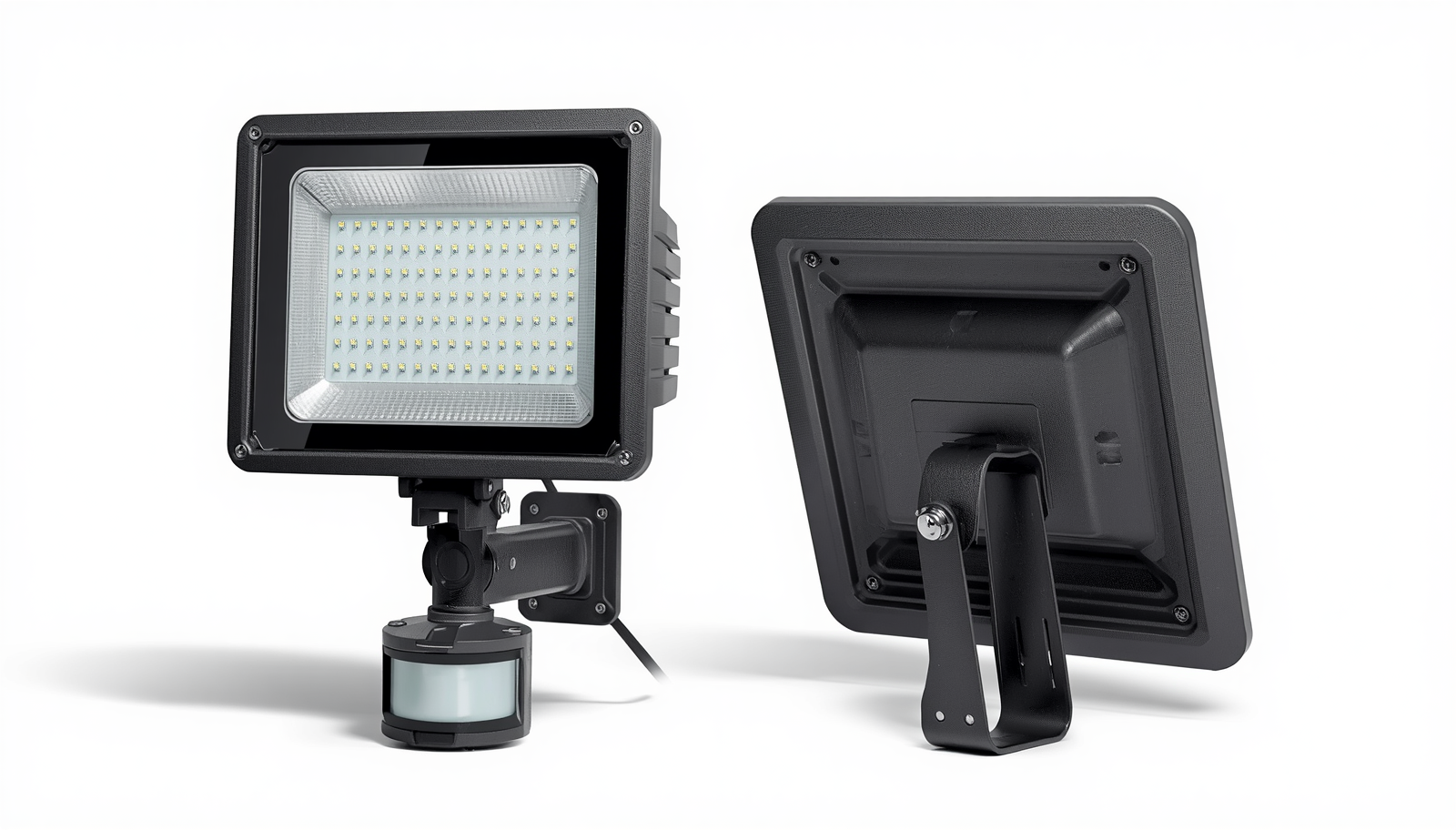
Six years ago, adding solar lights to a distributor's catalogue meant offering a niche product for remote sites. Today, the same distributor without solar is losing bids — to load-shedding projects in South Africa, off-grid developments in West Africa, rural electrification tenders in Latin America, and electricity-cost projects everywhere else. The demand didn't emerge from a marketing campaign; it emerged from a grid that can't keep up. Here's what's behind the shift.
1. Zero Ongoing Electricity Cost
Every grid-tied outdoor light is a monthly invoice. A single 30W security floodlight running dusk-to-dawn (roughly 10–12 hours per night) consumes around 90–130 kWh per year. At the electricity tariffs common across South Africa (Eskom), Nigeria (DisCos), Colombia, or Ecuador, that translates to $30–100 USD annually per fixture — and commercial rates are often higher.
Multiply that across a warehouse perimeter, a gated estate, or a retail park car park with 20–40 fixtures, and the annual electricity spend on lighting alone becomes significant. Solar eliminates that bill entirely. The panels charge during daylight; the battery powers the fixture overnight; no meter runs, no tariff applies.
This is the argument your end customer will make to their CFO. Your job as a distributor is to present the unit economics clearly: higher upfront cost, zero operating cost, positive cash position within 2–4 years depending on local electricity rates and usage.
2. Survives Blackouts and Load-Shedding
This is the single biggest demand driver across the export markets that matter most to solar lighting distributors. In South Africa, Eskom's load-shedding schedule cuts power for 4–12 hours daily at Stage 3–6 levels. In Colombia and Ecuador, rolling apagones disrupt commercial and residential areas without warning. In Nigeria, unreliable grid supply has normalized generator dependence for decades.
In all of these markets, grid-tied lighting fails exactly when security lighting is most needed: after dark, during extended outages. UPS backup buys minutes, not hours. Generators power internal systems but rarely extend to perimeter lighting.
Solar fixtures are unaffected by any of this. Each unit is a closed, self-contained system — it charges during the day and discharges at night regardless of what the grid is doing. For a distributor selling into these markets, solar security lighting is not a premium option: it is the functional category. Specifying LiFePO4 battery models with 12–16 hours of autonomy ensures coverage even through multi-cut Stage 6 days.
3. No Trenching, No Permits, No Electrician
The installation economics of solar lighting are fundamentally different from grid-tied alternatives. A grid-tied outdoor floodlight or street light requires:
- Trenching or conduit runs (often 5–30 metres per fixture)
- Cable and junction materials
- A licensed electrician for wiring and connection
- In many jurisdictions, a permit and inspection
A solar fixture requires a bracket, a drill, and an installer who can read a compass. No trenching, no cable, no licensed electrician, no permit in most residential and commercial applications. Installation time per fixture drops from hours to minutes.
For a distributor, this changes the economics of the sale dramatically. Your installers can commission more fixtures per day. Projects that were previously unviable due to the cost and disruption of cable runs become straightforward. Retrofits on properties with no existing outdoor wiring infrastructure — the majority of the properties in rural or peri-urban Africa and Latin America — are suddenly possible without civil works.
4. ROI in 24–48 Months
Solar security and street lighting carries a higher purchase price than equivalent grid-tied fixtures. This is the most common objection in the sales cycle, and it dissolves when the full cost comparison is made correctly.
The relevant comparison is not unit price. It is the total 5-year cost of ownership:
| Cost component | Grid-tied | Solar |
|---|---|---|
| Unit cost (30W equiv.) | Lower | 20–50% higher |
| Installation (cable + labour) | Significant | Minimal |
| Electricity (5 years) | $300–500 per fixture | $0 |
| Maintenance | Bulb replacement + wiring | Panel clean; battery at year 5+ |
When installation savings and 5-year electricity elimination are factored in, solar is typically the lower-cost option over any meaningful time horizon. The payback period depends on local electricity tariffs and installation costs, but 24–48 months is typical across the markets this product category targets.
5. Opens Off-Grid Markets
A substantial portion of the potential market for outdoor security and street lighting has never been accessible to grid-tied products: farms beyond the grid edge, rural communities, mining sites, border infrastructure, telecom installations, and off-grid development projects. In sub-Saharan Africa alone, a significant percentage of the population lives beyond reliable grid reach.
Solar lighting is the only product category that addresses this market without generator dependence. A solar security floodlight on a remote farm property, a solar street light on a rural township road, or a solar path light in an off-grid lodge development — these sales do not exist as grid-tied products. Adding solar to your catalogue is not cannibalizing an existing category; it is opening a new addressable market.
What This Means for Distributors
The business case for adding solar lighting to a distributor's or installer's catalogue is not primarily ideological — it is commercial. Solar lighting is growing because it solves real problems that grid-tied lighting cannot: unreliable electricity, high installation cost, and remote site viability. Distributors who carry a credible solar range are winning bids that grid-only catalogues cannot touch.
The key to a strong solar catalogue is specification discipline. The products that generate returns and repeat orders are those with LiFePO4 batteries, IP65+ ratings, and properly sized panels for the latitude of the target market. The products that generate warranty claims and damaged relationships are those that cut corners on battery chemistry to hit a lower price point. Quality specification is the differentiator, not price.