Do Solar Lights Work in Winter & Cloudy Weather?
It's the first question every buyer asks — and the honest answer is yes, provided the light is specified for the worst week of the year, not the best day. Here's what actually determines cold-weather performance.
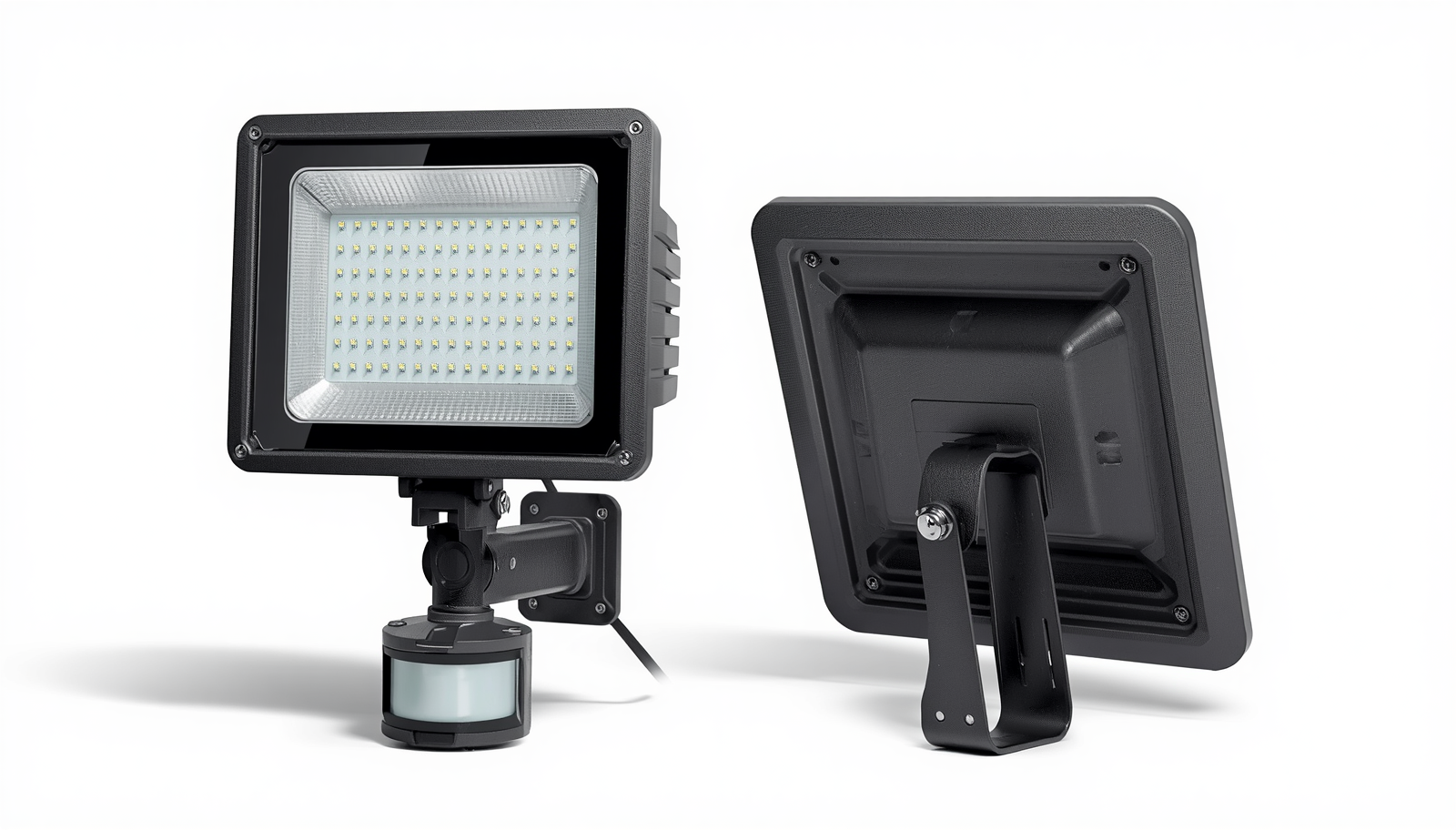
Solar lights run on a battery that is charged by daylight. So the real question isn't "do they work in winter?" — it's "is there enough stored energy to cover the longest run of short, dark, cloudy days at your site?" Get the sizing right and the light performs through winter and monsoon alike. Get it wrong — buy on wattage alone — and it fades after a cloudy week. These five factors are what separate the two.
1. Shorter days are a design input, not a dealbreaker
In winter the sun sits lower and daylight is shorter, so the panel collects fewer hours of charge while the night it has to light is longer. A serious solar light compensates with an oversized solar panel relative to the LED load, so even a short winter day banks enough charge. This is why two lights with the same lumens can perform completely differently — the one with the bigger panel and better charge controller wins every winter.
2. Autonomy is the number that actually matters
Autonomy — the number of nights a light keeps running with no useful charge — is the single most important spec for winter and cloudy climates, and it's the one cheap products hide. For mild, sunny regions one night is fine; for cloudy or rainy seasons, specify 2–3 nights of autonomy so the light rides through a bad stretch on stored energy. When you compare quotes, ask for autonomy in nights, not just battery mAh. Our street-light buyer's guide walks through sizing it.
3. LiFePO4 is what makes cold weather safe
Battery chemistry decides cold performance. Ordinary lithium-ion loses capacity in the cold and degrades fast, while cheap lead-acid is heavy and short-lived. LiFePO4 (lithium iron phosphate) holds up far better in low temperatures, delivers 2,000+ charge cycles and tolerates heat too — so the same light survives a highland winter and a desert summer. Insist on it; it's the difference between a light that lasts years and one that dies after a season. Here's why the chemistry matters.
4. Cloudy and rainy regions: size up, then dim smart
Panels still harvest diffuse light through cloud — just less of it — so a light keeps charging on an overcast day, only slower. Two design choices carry it through long grey spells: a generously sized panel and battery for your worst week, and motion (radar) sensing that holds the light dim between passers-by and lifts it to full output on demand. Smart dimming can cut nightly consumption dramatically, effectively multiplying your autonomy exactly when sunlight is scarce.
5. Snow, frost and extreme cold
For genuinely cold sites, three practical points: mount the panel at a steeper tilt so snow slides off and low winter sun hits it squarely; check the product's operating temperature range (our security range is rated to −20°C); and keep the rating at IP65 or higher so melt-water and frost can't get in. How IP ratings work →
What to ask your supplier
Cut through the marketing with five questions: How many nights of autonomy? What is the panel wattage and battery capacity (Wh)? Is the battery LiFePO4? What is the operating temperature range? Is there motion dimming? A supplier who answers these clearly — and backs them with a sample you can test overnight — is quoting a light that will survive your winter. JC Lightning attaches the full datasheet, autonomy and CE + RoHS certificates to every quote.